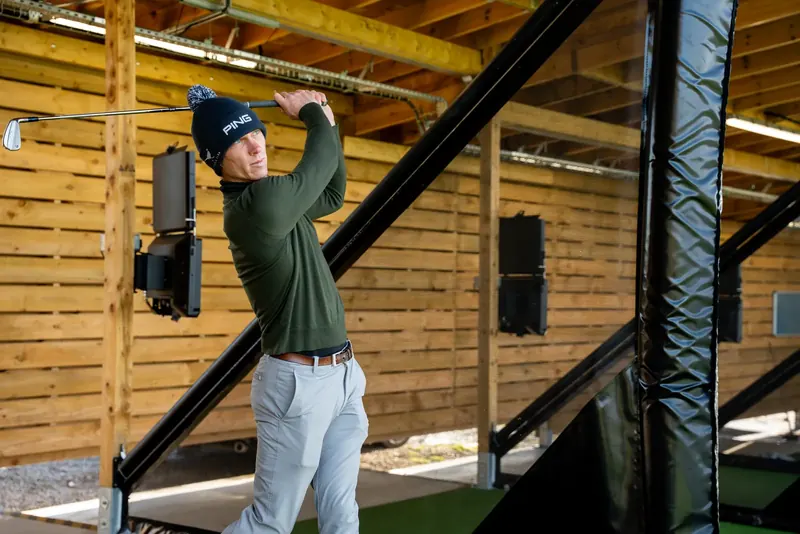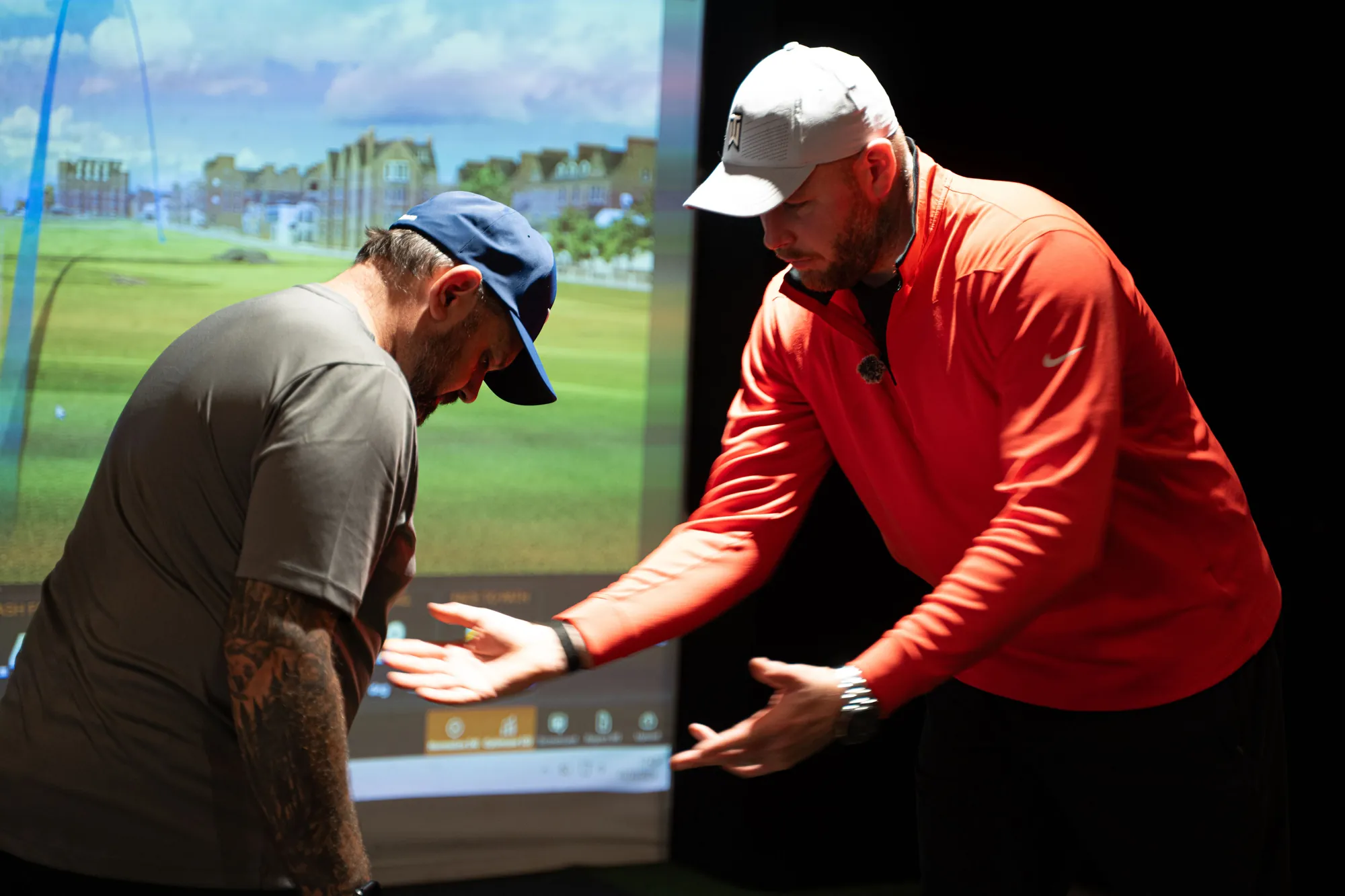
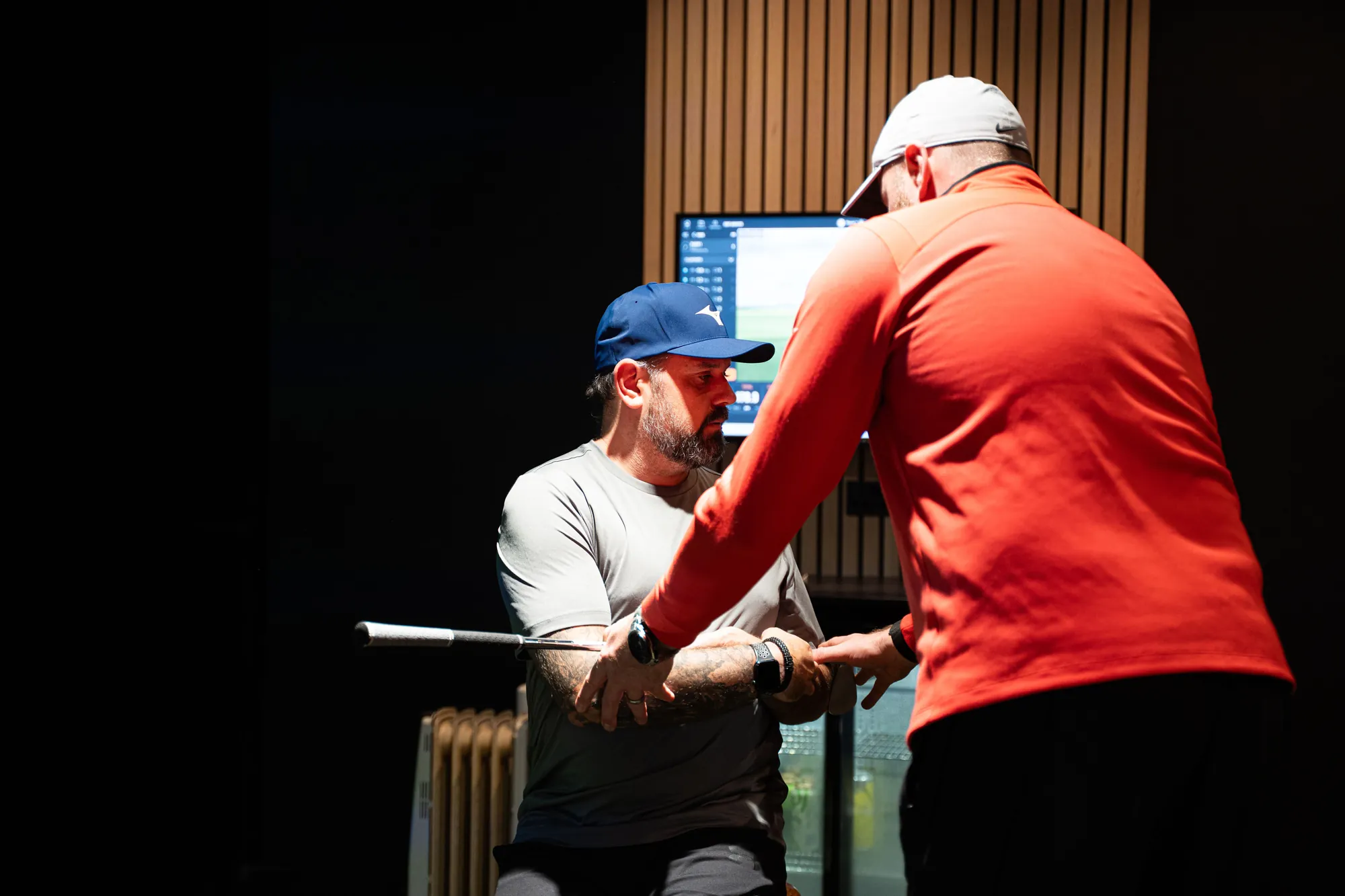
The best way to practise at a driving range is to have a plan: warm up, work on one thing, change clubs and targets often, and finish with a few shots that feel like the course. Hitting a whole basket of the same club at the same target is the most common mistake.
This guide gives you a simple 45 minute session you can repeat each week, and explains why each step is there.
Why most range sessions do not help
Most people arrive, hit their driver until their back aches, and leave. It feels productive, but it rarely improves anything. There are three common reasons.
- No target. Hitting at nothing teaches you nothing about direction.
- Same shot repeated. On the course you never hit the same shot twice in a row.
- No feedback. Without knowing what the ball did, you cannot tell what to change.
A plan fixes all three. It also stops you from burning out your swing in the first ten minutes.
The 45 minute plan
This works with a medium basket, around 60 balls. Adjust it to the size you have.
| Time | What to do | Balls |
|---|---|---|
| 0 to 10 minutes | Warm up with wedges and half swings | 10 |
| 10 to 25 minutes | Work on one focus with a mid iron | 20 |
| 25 to 35 minutes | Mix clubs, one shot at a time with a target | 15 |
| 35 to 45 minutes | Finish: play the course in your head | 15 |
Step one: warm up properly
Start with some gentle stretches and a few easy practice swings without a ball. Then hit short wedges, with half swings at a close target. Your aim is to get your body moving and find your rhythm, not to hit it far.
Skipping the warm up is a quick way to hurt your back or wrists. If you have any pain, stop and check with a doctor or physiotherapist before you carry on.
Step two: choose one focus
Pick one thing and work on it with a mid iron, such as a seven iron. It might be a more solid strike, a straighter start line, or a smoother tempo. If you have had a lesson, use the drill your coach gave you.
Keep it narrow. Trying to fix grip, backswing and weight shift at once only confuses you. Hit a few shots, notice what happens, and make a small change. If your ball curves badly, our guide on how to stop slicing is a good place to start.
Step three: mix it up
This is the part that looks most like golf. Change club and target for every shot. Pick a target, say it out loud, run through your routine, hit, and then move on. A typical run might be: pitching wedge, seven iron, driver, nine iron, five iron.
It is harder than hitting the same club, and that is the point. You will find which clubs you trust, and which need work.
Step four: finish under pressure
The last ten minutes should feel like a round. Imagine a hole you know well. Hit your tee shot with a driver, then choose an approach for the second shot. If you miss the fairway or green in your head, play the next shot from there.
You can also set simple challenges: hit three shots in a row inside a target zone, or keep a score. A bit of pressure shows you how your swing holds up when it matters.
What to track
Practice gets better when you measure it. You do not need to be fancy.
- How many shots out of ten finished near your target.
- Your carry distance for each club, if you have data.
- Which miss you hit most often, left or right.
- One thing that felt good, to repeat next time.
Data helps a lot. A launch monitor shows carry, direction and ball speed on every shot. Read understanding your TrackMan numbers for what each figure means.
Remember that the plan is a guide, not a rule. If one step is not helping, spend more time on the part that is, and write down what changed so you can compare next week.
How often and how long
Two short sessions a week usually beat one long one. Forty five minutes is enough for most people, and your focus drops after that. If you are building up, increase slowly rather than doing a huge session after a long break.
Build a pre shot routine
A routine is the same short sequence you go through before every shot. It makes your practice feel like the course and keeps you calm. A simple one has four parts:
- Stand behind the ball and pick a clear target.
- Take one practice swing that matches the shot you want.
- Step in, set your feet and aim the club face first.
- Take a breath and swing.
Use it for every shot on the range, even when it feels slow. After a few weeks it will become automatic, and you will take it to the first tee without thinking.
Common range habits to drop
- Raking the next ball over before the last has landed. Slow down and watch each shot finish.
- Only hitting the driver. Most of the game is played with irons and wedges.
- Chasing one perfect swing. Aim for a good average, not a single highlight.
- Ignoring the short game. A short game area is where scores come down. Our post on keeping improving in winter has ideas for year round practice.
Practising at Evolution
If you want somewhere to try this plan, Evolution Golf Academy at Ormonde Fields Golf Club, Codnor, has a TrackMan driving range with seven bays, each with data on every shot, plus a short game practice area. Baskets are £4 for 30 balls, £7.50 for 60, £10 for 90 and £12.50 for 120, and walk-ins are welcome. It is open every day from 7am to 10pm, about 20 minutes from Derby and Nottingham. If you would like a coach to design a plan around your game, see golf lessons in Derby.
Want help putting this into practice?
Book a Session